Storing lyophilized peptides, dry and in solution
Updated

A sealed vial of dry peptide and the same peptide in solution are two different storage problems. This guide covers how to store peptides before reconstitution, while the material is still a lyophilized (freeze-dried) powder, and what changes once it has been dissolved for an experiment. The storage condition printed on the vial label always comes first. What follows is the chemistry behind it.
Why the dry powder keeps better
Peptides and proteins are often kept in the solid state because it slows their degradation during storage [1]. For many proteins, marginal stability in solution is the reason the solid state is preferred [2]. Drying slows the chemistry without stopping it. In the solid state, peptides can still undergo deamidation, peptide-bond cleavage, oxidation and aggregation, at rates that depend on temperature, moisture content, excipients and whether the solid is amorphous or crystalline [1].
The practical goals follow from that list: keep the powder cold, dry, dark and sealed. For how the drying itself works, see why peptides are freeze-dried.
On arrival
A few checks at delivery make every later question easier to answer:
- Confirm the seal and cap are intact.
- Match the lot number on the vial label to the certificate for that lot.
- Note how the cake looks. A cake that looks imperfect does not necessarily mean a quality problem [3], but a record lets you notice a later change.
- Record the date received, then move the vial straight to its label condition.
Temperature
Stability guidance gives the two common cold conditions precise meanings: "refrigerator" storage is studied at 5 °C ± 3 °C and "freezer" storage at −20 °C ± 5 °C [4]. The same guidance describes stability testing as measuring how quality changes over time under temperature, humidity and light [4], so all three belong in a storage plan.
Short trips outside the label condition are a recognised case. For substances meant for freezer storage, the guidance asks for testing at a higher temperature to address short excursions during shipping or handling [4]. Whether a particular compound tolerates a particular excursion is a question for data on that compound, not a general rule; what transit temperatures do to a sealed vial covers the shipping case.
In practice:
- Keep long-term stock together at the label condition, where it is disturbed as little as possible.
- Take out only the vial you need, so the rest are not warmed and cooled again.
- Keep opened vials in a separate, labelled spot from unopened stock.
Moisture
Freeze-dried material is highly hygroscopic, and moisture that gets in over time can lead to degradation [5]. The closure matters. In one comparison of storage formats, vials with unprocessed stoppers took up the most moisture at the two warmer storage temperatures, while all the formats tested behaved alike at −20 °C [5]. For the stopper and seal themselves, see peptide vial anatomy. Higher moisture can also make a dry cake collapse [6], so a cake that collapses after the vial has been opened is worth noting in your records.
Habits that limit moisture:
- Keep vials sealed until they are needed.
- Let a cold vial reach room temperature, still closed, before opening it, so room air meets a warm cake rather than a cold one.
- Keep the vial open for as short a time as possible, and close it firmly.
Light, oxygen and the sequence
Which pathway matters most depends on the sequence. Methionine, cysteine, histidine, tryptophan and tyrosine are the residues most susceptible to oxidation, and oxidation can be catalysed by transition metal ions and induced by light [7]. Light-driven oxidation mainly targets tryptophan, tyrosine, phenylalanine and cysteine [8]. Applied to a few peptides:
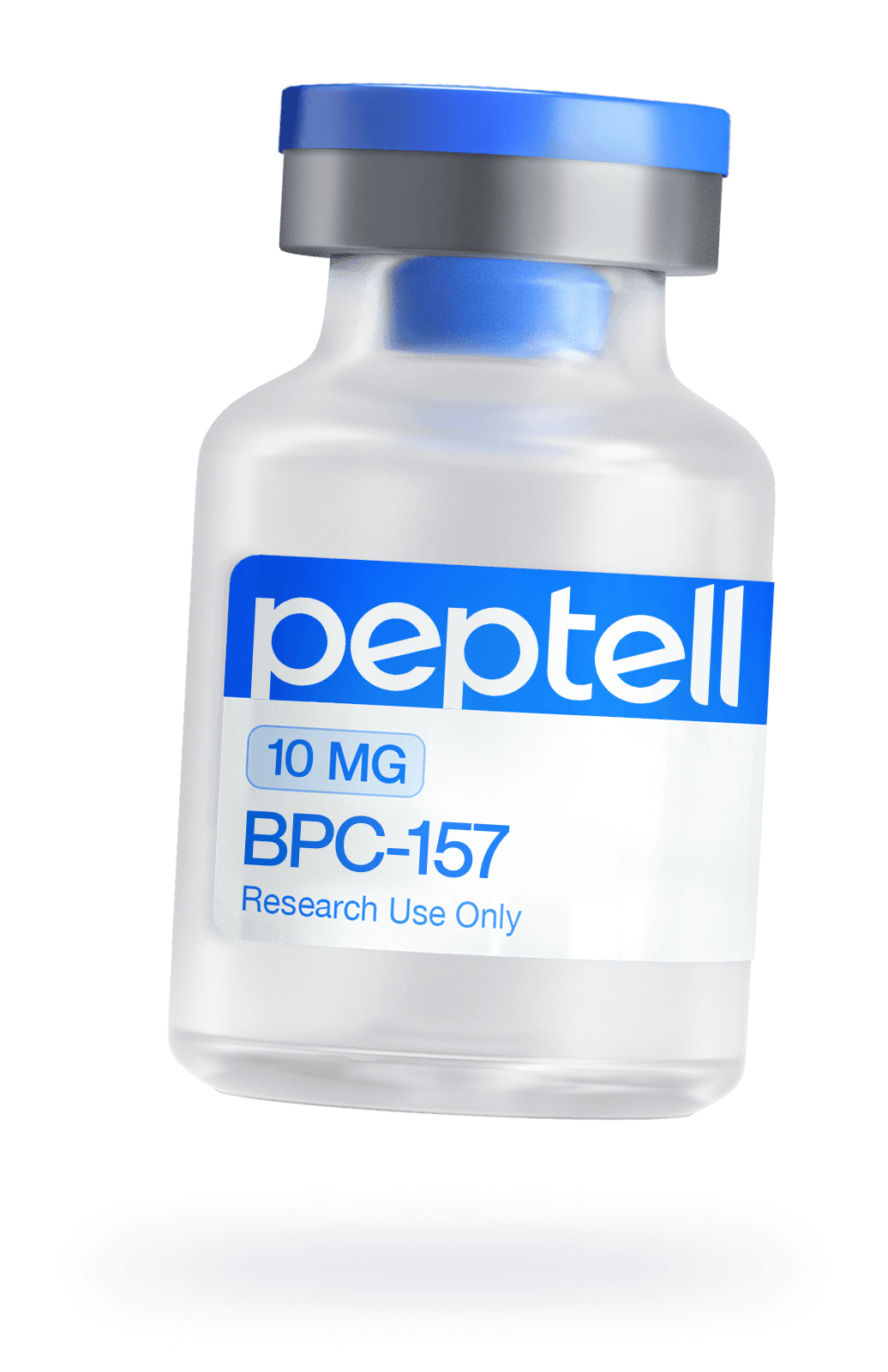
- BPC-157 (GEPPPGKPADDAGLV) has none of those residues [9]. It does have two aspartates, and aspartate and asparagine residues are known sites of non-enzymatic degradation [10].
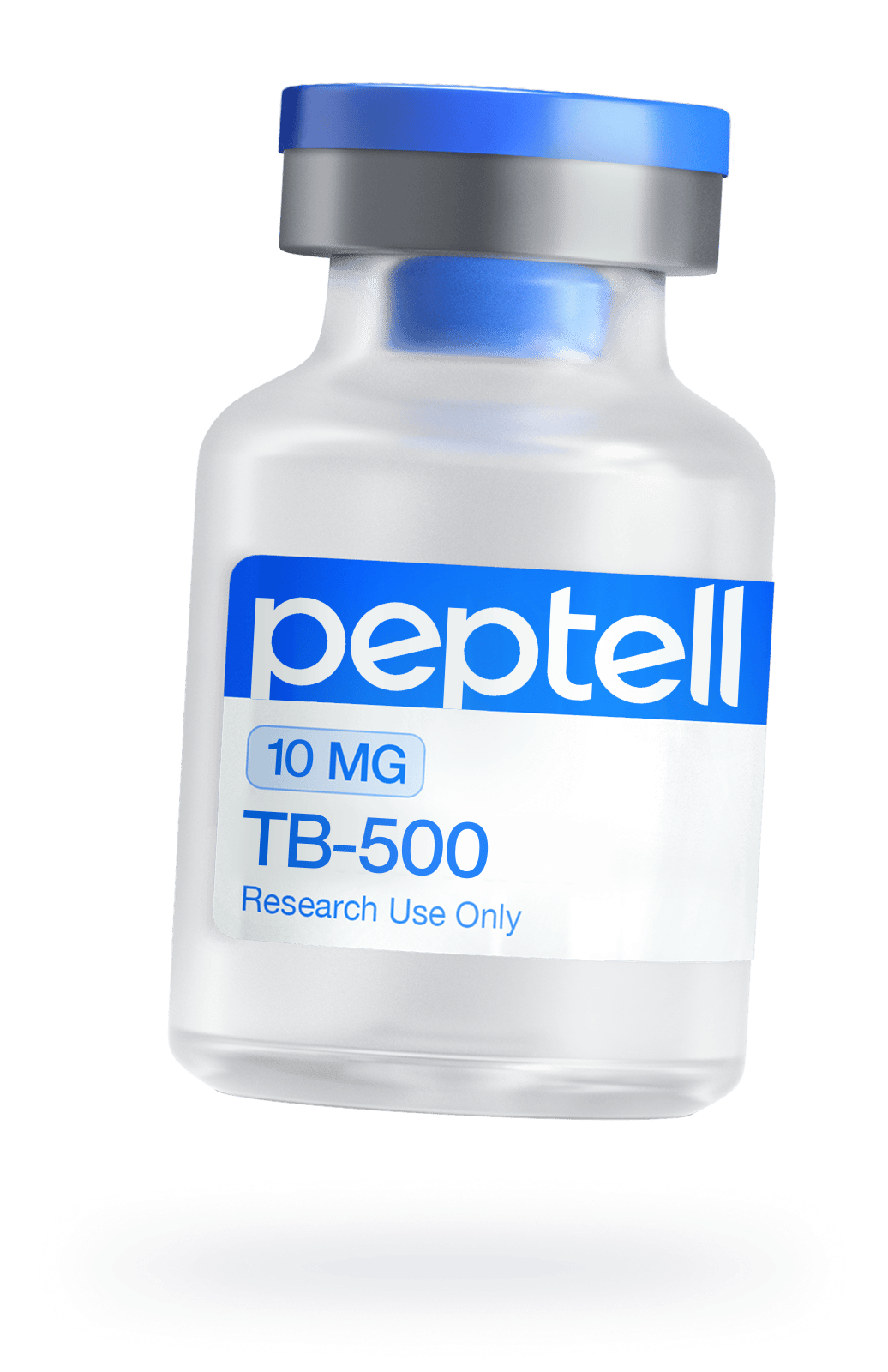
- TB-500 (Ac-LKKTETQ) also has none of them [11].
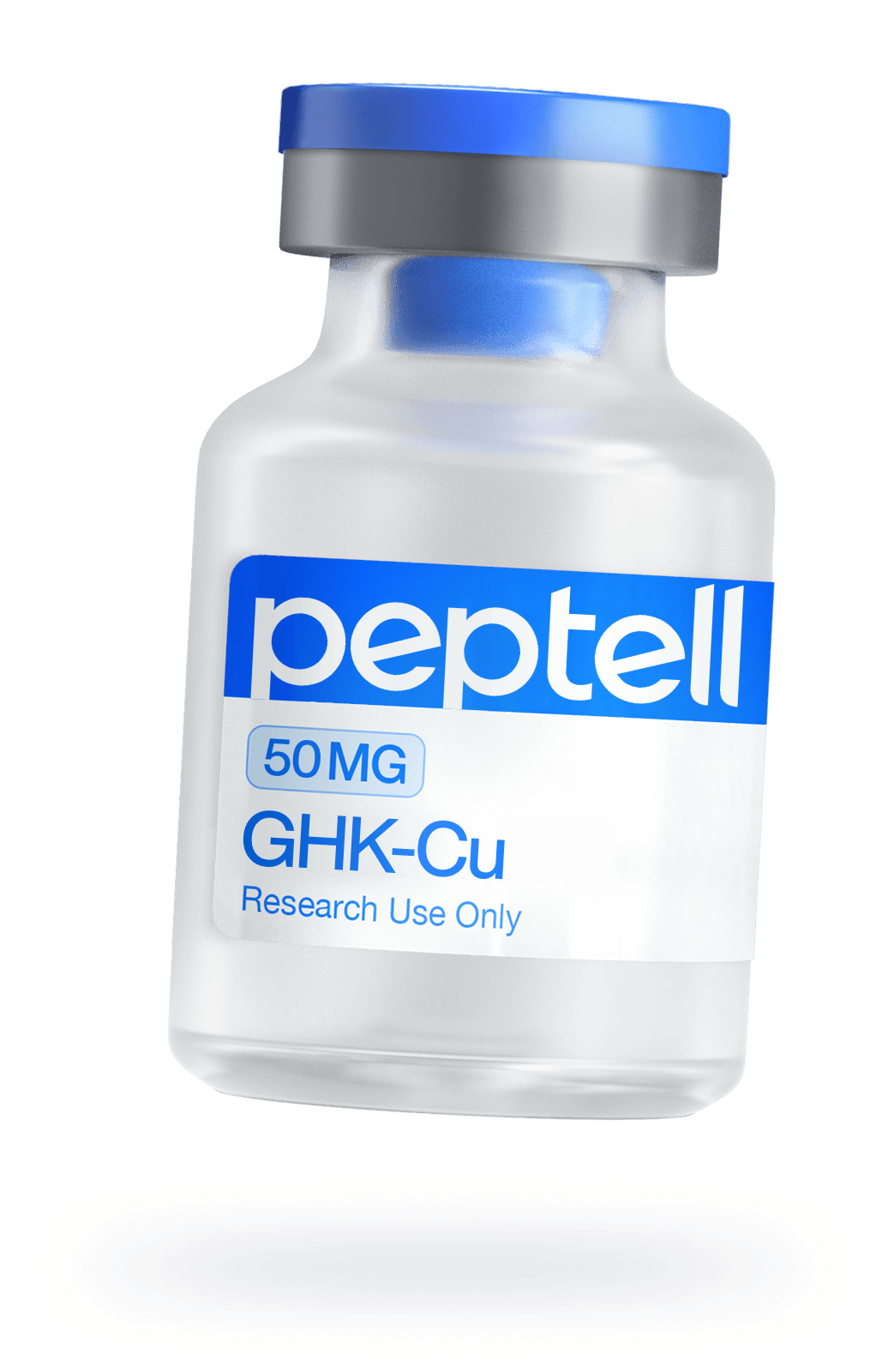
- GHK-Cu is the tripeptide Gly-His-Lys bound to copper [12], so it contains a histidine.
- MOTS-c (MRWQEMGYIFYPRKLR) has two methionines, a tryptophan and two tyrosines [13].
Whatever the sequence, keep vials in their carton or a closed box, away from bench lighting.
Once it is dissolved
In a 1987 study, a model peptide containing an Asn-Gly pair deamidated with a half-life of 1.4 days at 37 °C and pH 7.4 [10]. Temperature, pH and buffer composition all influence oxidation [7], so a solution's conditions matter as much as its age.
Two less obvious losses:
- Container walls. At typical experimental concentrations, 90% or more of some cationic peptides could be lost from solution by adsorption to the walls of glass and plastic containers [14]. Relatively more peptide was lost at low concentrations than at high ones [14], so dilute working solutions are the most exposed and it is worth confirming the concentration if a measurement drifts.
- Freezing and thawing. Freezing a solution exposes the peptide to three separate stresses: low temperature, freeze-concentration of the solutes and ice formation [15]. Dividing a solution into single-use portions means each portion is frozen and thawed only once.
Label every portion with the compound, lot number and the date it was prepared.
Keep a storage log
A certificate of analysis describes the sample the laboratory analysed. Under ISO/IEC 17025, a laboratory's report states that its findings relate only to the items tested [16, 17]. What happens after delivery lives in your own records, and a short log per vial is enough:
- the compound and lot number (the lot number is printed on our vial labels, and the QR code on the vial opens that lot's certificate);
- the date received and the storage location;
- the date the vial was opened and the date it was dissolved, with the solvent used;
- for solutions, the date each portion was frozen and thawed.
Each product page also has a View COA button with the certificate for the lot we ship. If an experiment gives an unexpected reading, the log and the lot's certificate are the first two things to check. For reading the certificate itself, see how to read a certificate of analysis.
Sources
- Lai MC et al. J Pharm Sci (1999). PubMed
- Chang LL et al. J Pharm Sci (2009). PubMed
- Patel SM et al. J Pharm Sci (2017). PubMed
- ICH Q1A(R2), Stability Testing of New Drug Substances and Products (Step 4 version, 6 February 2003). ICH
- Duralliu A et al. Vaccine (2019). PubMed
- Duralliu A et al. Eur J Pharm Biopharm (2018). PubMed
- Li S et al. Biotechnol Bioeng (1995). PubMed
- Kerwin BA et al. J Pharm Sci (2007). PubMed
- Sikiric P et al. Curr Pharm Des (2011). PubMed
- Geiger T et al. J Biol Chem (1987). PubMed
- Esposito S et al. Drug Test Anal (2012). PubMed
- PubChem. Prezatide copper, CID 71587328. PubChem
- UniProt. A0A0C5B5G6, mitochondrial-derived peptide MOTS-c. UniProt
- Kristensen K et al. PLoS One (2015). PubMed
- Bhatnagar BS et al. Pharm Dev Technol (2007). PubMed
- ISO/IEC 17025:2017, General requirements for the competence of testing and calibration laboratories. ISO
- NIST Office of Weights and Measures. ISO/IEC 17025 crosswalk: reporting the results (February 2018). NIST