Peptide names and aliases: one compound, many labels
Updated

Most compounds in a research-peptide catalog carry more than one name. A company's development code, an international nonproprietary name, a sequence written in one-letter code, a cosmetic-ingredient name and a seller's shorthand can all point at the same molecule. Sometimes they point at two different ones. This guide maps the names you will meet for the compounds we carry, picks out the names that hide a structural difference, and shows why a literature search needs every alias.
Where the names come from
Five kinds of name turn up again and again:
- Development codes. Companies number their candidates. BPC-157 appears in papers as PL 14736 [1], and ipamorelin is also listed as NNC 26-0161 [2]. CJC-1295 was the code given to the derivative selected from a series of three maleimido analogs of GRF(1-29) [3].
- International nonproprietary names (INNs). The World Health Organization builds these names from stems that signal a class. The stem -morelin marks growth hormone release-stimulating peptides, and ipamorelin and tesamorelin both carry it. The broader stem -tide covers peptides, and prezatide copper acetate is listed under it [4].
- Sequence shorthand. Short peptides are often named by their one-letter sequence: AEDG for epitalon [5], GHK for the copper-binding tripeptide [6] and LKKTETQ for the thymosin β4 fragment [7].
- Descriptive acronyms. MOTS-c stands for mitochondrial open reading frame of the 12S rRNA-c [8]. DAC, as in "CJC-1295 with DAC", stands for drug affinity complex [9].
- Ingredient names. Cosmetic ingredient lists use their own nomenclature, so the copper complex of GHK also appears as copper tripeptide-1 [6].
The names behind our catalog
| Product | Names you will see | What the name refers to |
|---|---|---|
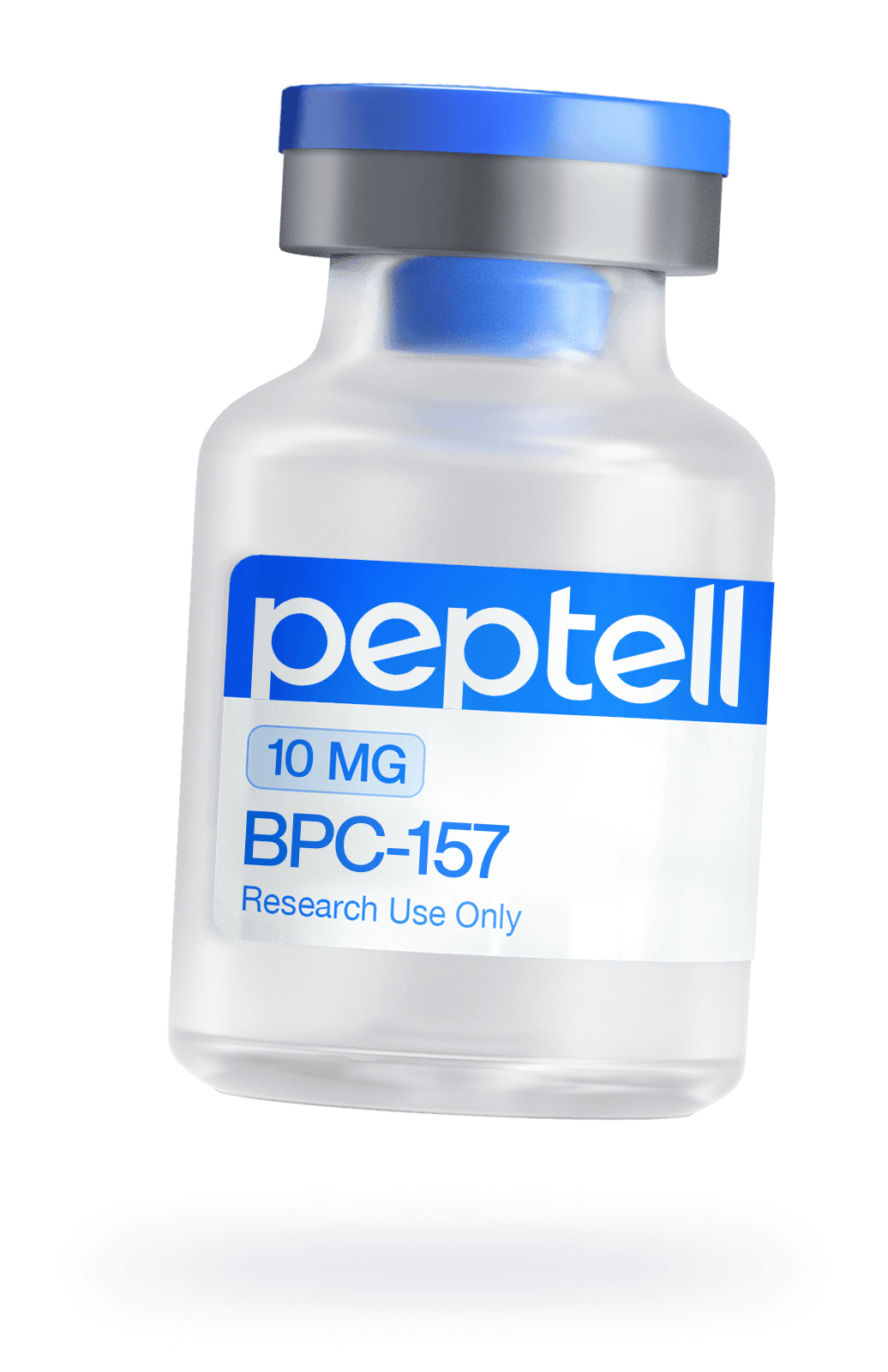
| BPC-157 | BPC 157, BPC157, PL 14736, PL-10, PLD-116 [1, 10] | The 15-residue sequence GEPPPGKPADDAGLV [10] |
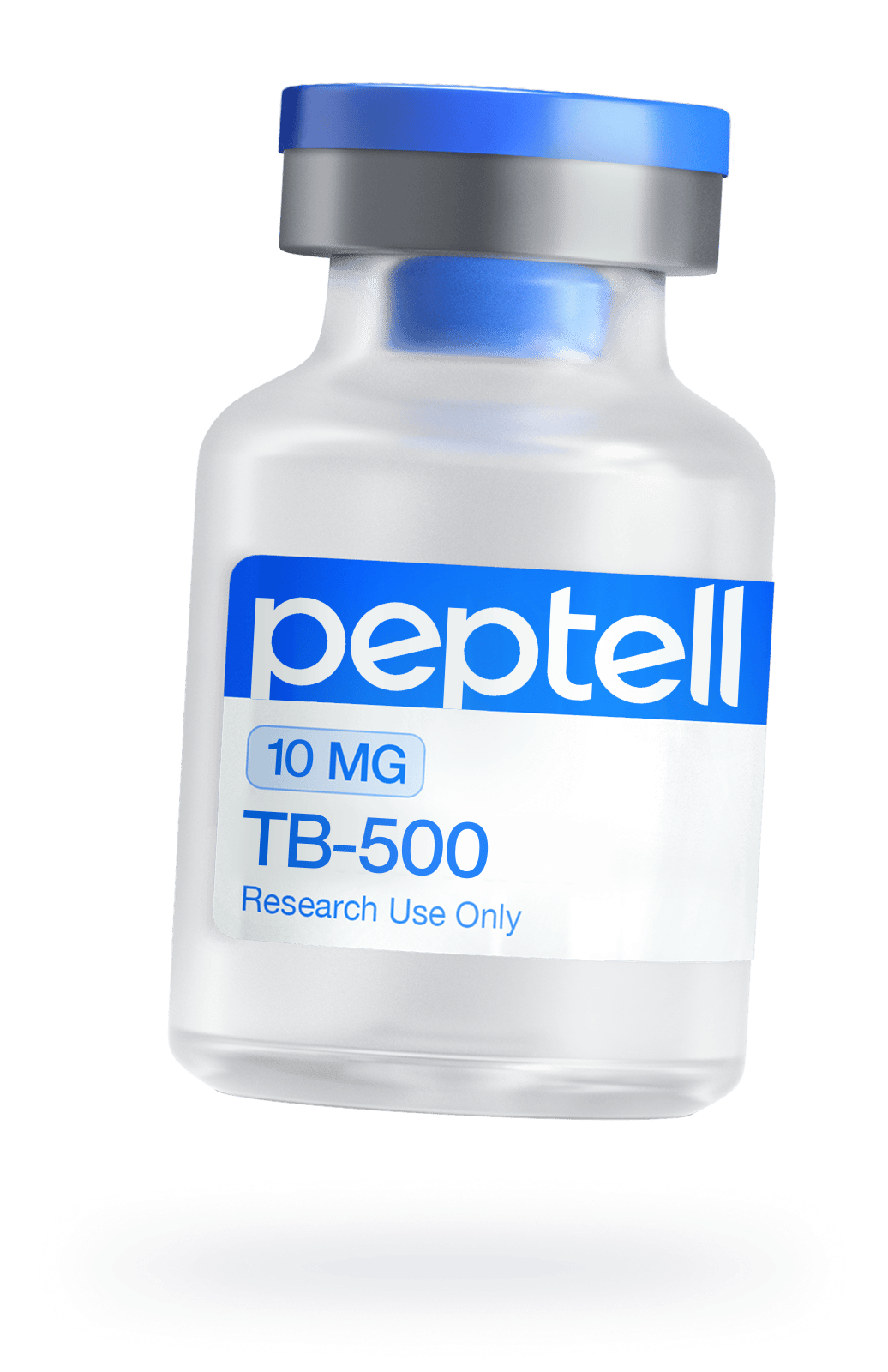
| TB-500 | TB500, TB 500 [11] | Ac-LKKTETQ, residues 17 to 23 of thymosin β4 [7] |
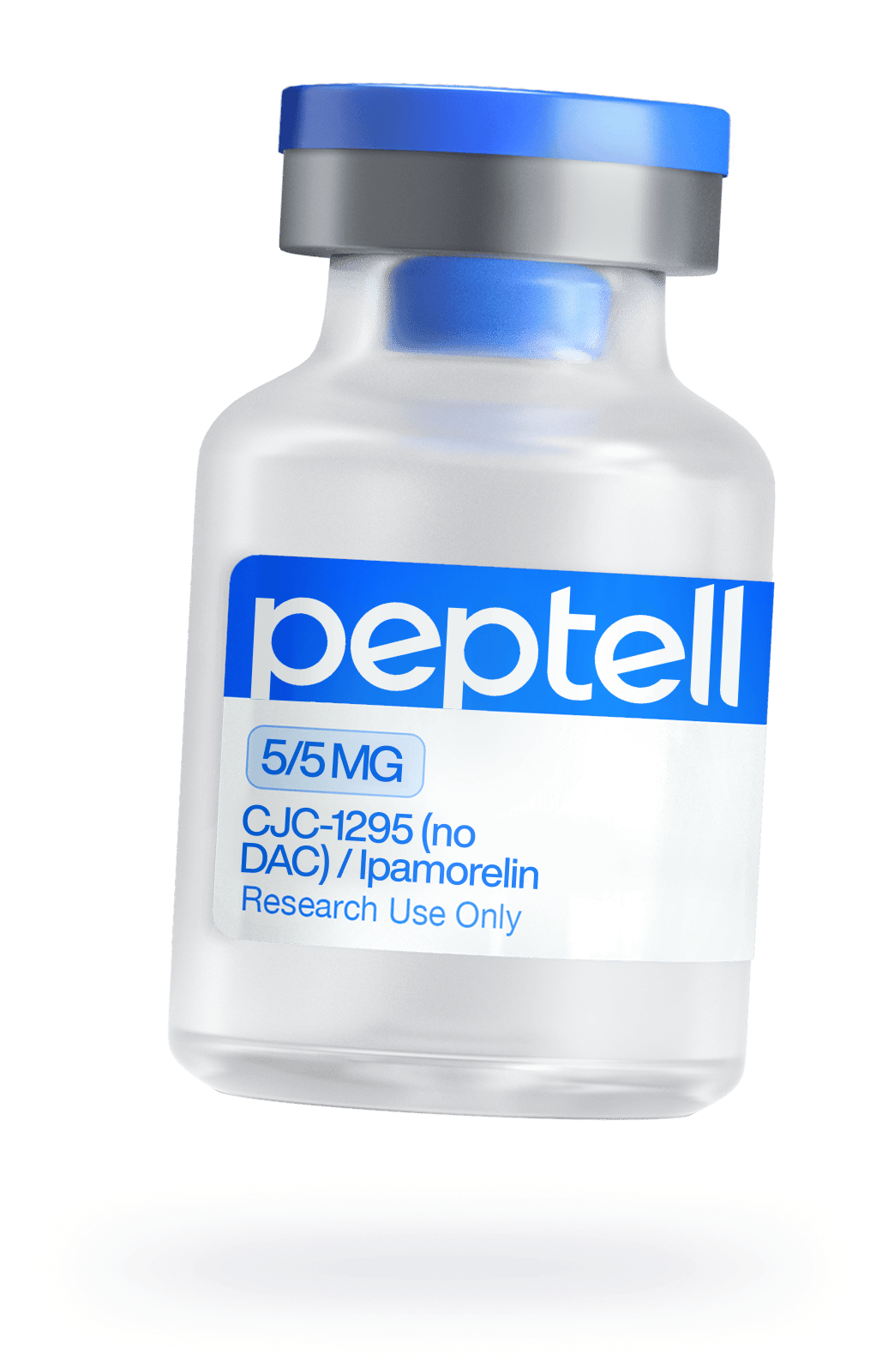
| CJC-1295 no DAC / ipamorelin | CJC-1295 without DAC [12], modified GRF 1-29 [13]; NNC 26-0161 for ipamorelin [2] | A tetrasubstituted GRF(1-29) amide [14], and the five-residue Aib-His-D-2-Nal-D-Phe-Lys-NH2 [2] |
| Melanotan II | MT-II, MTII, Melanotan-II [15] | A lactam-bridged cyclic analog of α-MSH residues 4 to 10 [15, 16] |
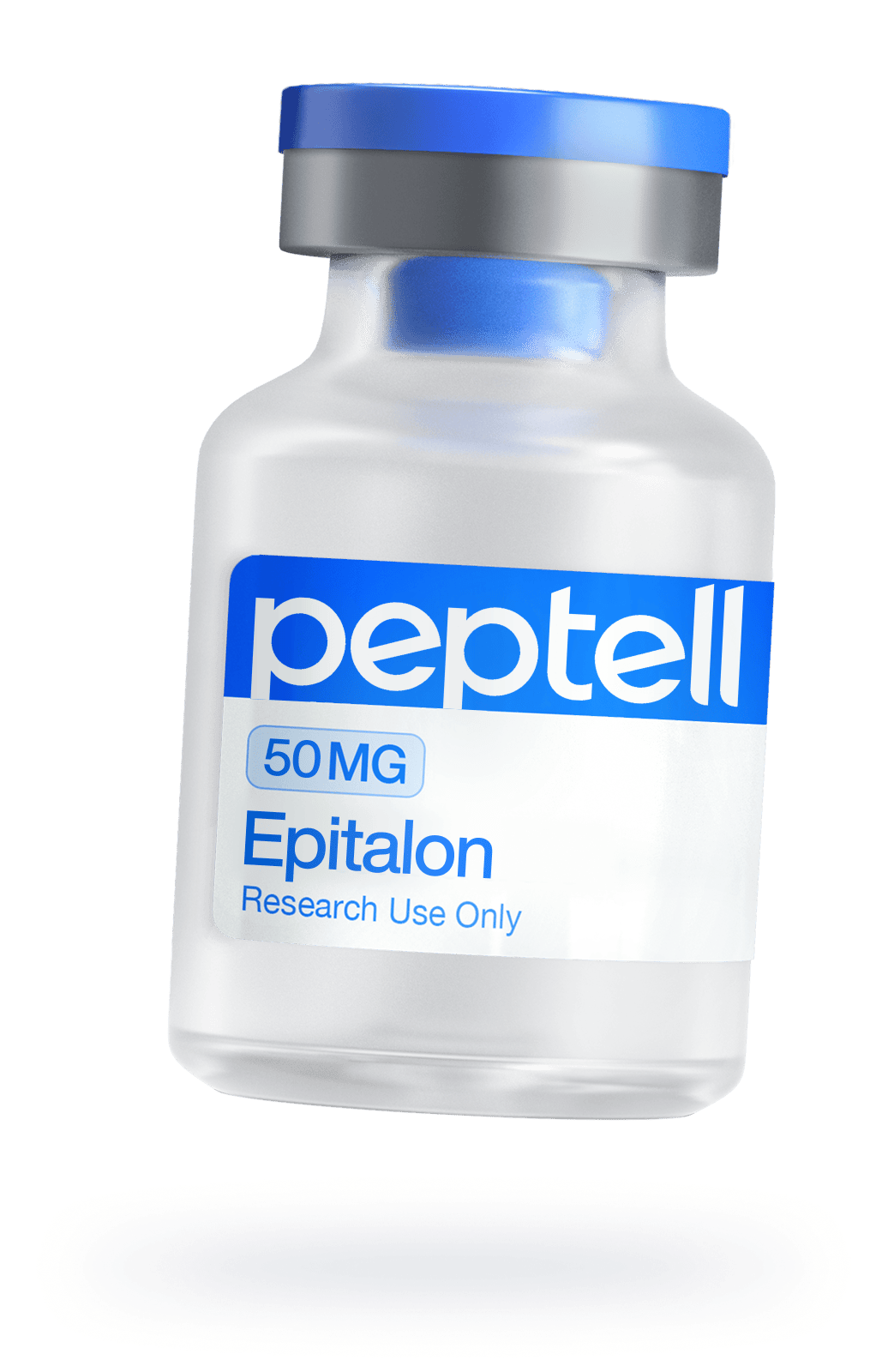
| Epitalon | Epithalon, Epithalone, AEDG [5] | The tetrapeptide Ala-Glu-Asp-Gly [5] |
| Thymosin alpha-1 | Tα1 (written Talpha1 in PubMed), thymosin alpha1, thymalfasin [17, 18, 19] | A 28-residue peptide [20] with an acetylated N-terminus [17] |
| GHK-Cu | Copper tripeptide-1, prezatide copper, GHK copper [6] | Gly-His-Lys bound to copper(II) [6] |
Names that hide a structural difference
"No DAC." In the paper that introduced it, CJC-1295 was a tetrasubstituted GRF(1-29) with an extra lysine at the C-terminus carrying a maleimidopropionamide group, designed to bond to the free thiol of serum albumin [3]. Without that group, the peptide is the 29-residue tetrasubstituted sequence alone. The two have different formulas: C152H252N44O42 with an average mass of 3367.9 for the form without DAC [14], and C165H269N47O46 at 3647.2 for the PubChem record titled CJC-1295, which is the DAC form [21].
The labels are not used consistently. A 2021 analytical study used "CJC-1295" for the peptide without the complex and "CJC-1295 with drug affinity complex" for the other [9]. Meanwhile, the PubChem record for the no-DAC formula lists "CJC 1295 with DAC" among its depositor synonyms [14]. So if you are asking what "no DAC" means on a peptide label, the answer is a precise structural one, while the bare name "CJC-1295" can refer to either molecule. CJC-1295 with and without DAC covers the design in detail.
TB-500 and thymosin β4. TB-500 is the acetylated seven-residue fragment [7], and a 2026 review noted that it is often conflated with the full 43-residue protein [22]. The same seven residues without the acetyl group have a separate PubChem record, under the name fequesetide [23]. TB-500 and thymosin beta-4 sets out how their masses differ.
Epitalon and epithalamin. Epitalon is a synthetic tetrapeptide designed from the amino-acid composition of epithalamin, a pineal-gland extract [5]. They are different substances, yet PubChem's epitalon record lists "Epithalamin" among its synonyms [24]. A paper on the extract is not a paper on the tetrapeptide.
Shorthand that collides
- MT-II. In PubMed, 458 records use "MT-II" in the title or abstract, and 270 of them also mention metallothionein [25], a metal-binding protein whose recognised names include metallothionein II [26]. Searching the abbreviation alone pulls in an unrelated field.
- GHK-Cu. The name is used for more than one complex. PubChem lists a 1:1 copper complex as prezatide copper, C14H23CuN6O4+ [6], and a 2:1 complex under the title GHK-Cu, C28H48CuN12O8 [27]. A certificate should say which form its expected mass refers to.
- Tα1 and Tβ4. The Greek letters mark unrelated molecules, not variants of one. Thymosin α1 is a fragment of prothymosin α, encoded by the PTMA gene [28], while thymosin β4 is encoded by TMSB4X [29].
Searching the literature under every name
A single spelling misses a large share of the literature. Searches of PubMed titles and abstracts, run on 3 November 2026, show the scale:
| Compound | Search | Records |
|---|---|---|
| Epitalon | "epitalon" | 64 [30] |
| "epithalon" | 56 [30] | |
| Five spellings combined (epitalon, epithalon, epithalone, AEDG, Ala-Glu-Asp-Gly) | 168 [30] | |
| Thymosin alpha-1 | "thymosin alpha 1" | 582 [19] |
| "thymalfasin" | 59 [19] | |
| Three spellings combined | 888 [19] |
No single name for epitalon reaches half of the combined total [30]. Four habits help:
- Join every name with OR. Include spelling variants, development codes and the sequence written out. Restricting each term to title and abstract keeps the noise down.
- Use the controlled vocabulary where one exists. The MeSH record for thymalfasin gathers several entry terms, including alpha1-thymosin and thymosin alpha1 [18]. An untagged PubMed search for thymalfasin, which PubMed maps to that vocabulary, returned 661 records [19].
- Do not rely on registry numbers alone. PubChem lists two CAS numbers for epitalon, 307297-39-8 and 64082-79-7 [24], and two for thymalfasin, 62304-98-7 and 69521-94-4 [17].
- Check the methods section. A paper's title may use a popular name while its methods describe a different molecule, as with TB-500 and thymosin β4 [22].
A name is not an identity check
Labels can be wrong as well as ambiguous. A forensic analysis of seized powders found analogs of named growth hormone secretagogues, including ipamorelin and modified GRF 1-29, each carrying an extra glycine at the N-terminus [13]. Products sold online as TB500 and TB1000 had contents that were not consistently what their descriptions said [31].
The sequence and the measured mass settle the question that a name cannot. On a certificate, look for the full sequence with its end groups (Ac- or -NH2) and an identity line whose mass fits that sequence. Reading peptide sequence notation explains the notation. Each product page has a View COA button with the certificate of analysis for the lot we ship.
Sources
- Cerovecki T et al. J Orthop Res (2010). PubMed
- PubChem. Ipamorelin, CID 9831659. PubChem
- Jetté L et al. Endocrinology (2005). PubMed
- WHO. The use of stems in the selection of International Nonproprietary Names (INN) for pharmaceutical substances, WHO/EMP/RHT/TSN/2018.1 (2018). WHO/stembook-2018.pdf)
- Araj SK et al. Int J Mol Sci (2025). PubMed
- PubChem. Prezatide copper, CID 71587328. PubChem
- Esposito S et al. Drug Test Anal (2012). PubMed
- Lee C et al. Cell Metab (2015). PubMed
- Memdouh S et al. Drug Test Anal (2021). PubMed
- PubChem. BPC-157, CID 9941957. PubChem
- PubChem. TB-500, CID 62707662. PubChem
- PubChem. CJC1295 Without DAC, CID 91976842. PubChem
- Gajda PM et al. Drug Test Anal (2019). PubMed
- PubChem. L-tyrosyl-D-alanyl-…-L-argininamide (tetrasubstituted GRF(1-29) amide), CID 56841945. PubChem
- PubChem. Melanotan II, CID 92432. PubChem
- Al-Obeidi F et al. J Med Chem (1989). PubMed
- PubChem. Thymalfasin, CID 16130571. PubChem
- MeSH (NLM). Descriptor Thymalfasin, D000077596. MeSH
- PubMed search, "thymosin alpha 1"[tiab] (582 records), thymalfasin[tiab] (59), Talpha1[tiab] (309), "thymosin alpha 1"[tiab] OR "thymosin alpha1"[tiab] OR thymalfasin[tiab] (888), and thymalfasin untagged (661), run 3 November 2026. PubMed
- Goldstein AL et al. Proc Natl Acad Sci U S A (1977). PubMed
- PubChem. CJC 1295, CID 91971820. PubChem
- Tham A et al. J Am Acad Orthop Surg (2026). PubMed
- PubChem. Fequesetide (LKKTETQ), CID 10169788. PubChem
- PubChem. Epitalon, CID 219042. PubChem
- PubMed search, "MT-II"[tiab] (458 records) and "MT-II"[tiab] AND metallothionein[tiab] (270 records), run 3 November 2026. PubMed
- MeSH (NLM). Descriptor Metallothionein, D008668. MeSH
- PubChem. GHK-Cu, CID 133697840. PubChem
- UniProt. P06454, prothymosin alpha (PTMA). UniProt
- UniProt. P62328, thymosin beta-4 (TMSB4X). UniProt
- PubMed search, epitalon[tiab] (64 records), epithalon[tiab] (56), and epitalon[tiab] OR epithalon[tiab] OR epithalone[tiab] OR AEDG[tiab] OR "Ala-Glu-Asp-Gly"[tiab] (168), run 3 November 2026. PubMed
- Delcourt V et al. Drug Test Anal (2023). PubMed